


Environment
Climate Resilience Will Not Be Built by Press Release
Ahead of COP31, the test for climate finance is no longer what gets announced; it is whether money reaches the systems that protect people.

Ahead of COP31, the test for climate finance is no longer what gets announced; it is whether money reaches the systems that protect people.

Portland residents explained what makes a building livable in a heat wave. Their responses became the basis for statewide climate policy.

Health-climate warning labels at gas pumps are gaining political momentum as research shows they can shift consumer attitudes away from fossil fuels.

Impact investing has grown exponentially over the past 20 years. How is the field evolving? What are the new approaches and strategies that are making impact investing more accessible and appealing to funders of all sizes? How can the curious get started? Megan Kashner from Northwestern University’s Kellogg School of Management joins the show to address critiques levied at the field and how to tell if an investment is having an impact. Giving With Impact is developed with the support of DAFgiving360®
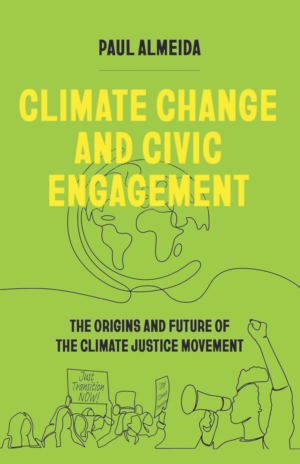
In Paul Almeida's Climate Change and Civic Engagement, the only pathway forward is broad worker-based civic alliances that go beyond narrow elite-driven technological decarbonization.


Ruta Azul, the sustainability and climate action plan of the Mexican university Tecnológico de Monterrey, has integrated sustainability into the school’s culture and educational model to build a community capable of addressing the climate crisis through coordinated action.

Green hydrogen partnerships in the Middle East and North Africa are sidelining the civil society organizations they claim to empower, repeating the sins of colonialism.
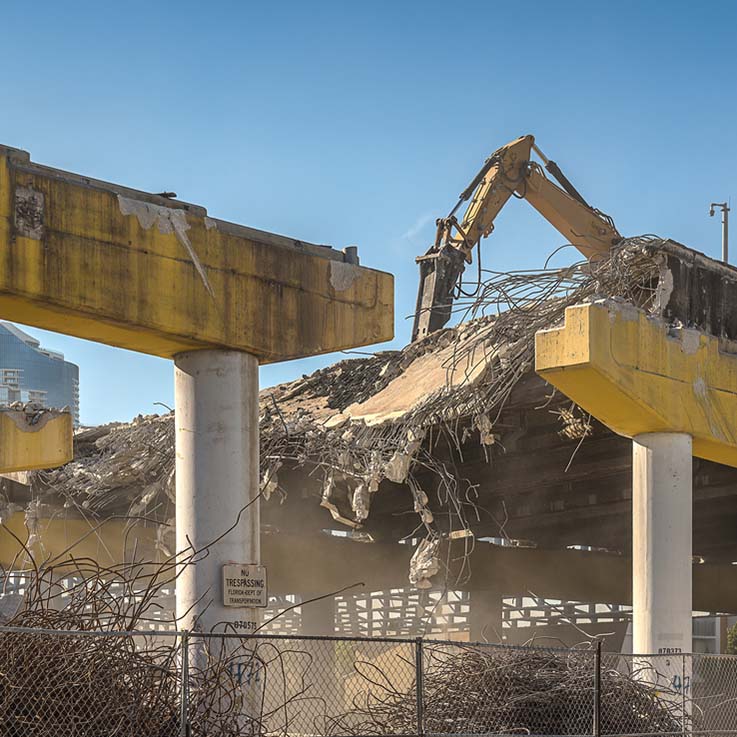
To decarbonize infrastructure, we need to look beyond technological fixes and learn to build coalitions.

Although climate discourse has expressed increasing urgency over time, it has retained the same temporal outlooks for climate effects and action.

Impact strategies must reckon with the problem that capital is frequently trapped in highly illiquid investments with no prospect of exit.